




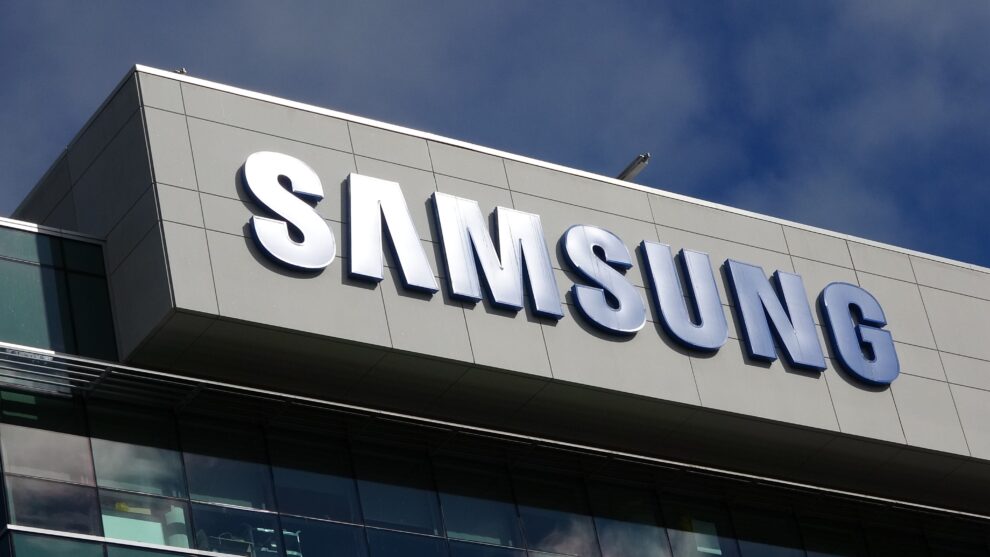

Headquarters of Samsung in Mountain View, California, on October 28, 2018.
Smith Collection/gado | Archive Photos | Getty Images
Samsung Electronics reported an over threefold surge in fourth-quarter profits on Thursday, hitting a new record and beating analysts’ estimates, as a memory chip shortage and strong demand for artificial intelligence servers lifted earnings.
Shares of Samsung Electronics rose 2.58% at the open on Thursday before reversing course, falling 1.54% in morning trade.
In an earnings call, Samsung executives noted that while surging memory prices have benefited its chip business, rising costs are also expected to impact its smartphone and display businesses moving forward.
Samsung also said that its capital expenditure declined for the full year of 2025 as it maintained a “conservative investment approach,” though it expected to ramp up its memory investments this year.
Here are Samsung’s fourth-quarter results compared with LSEG SmartEstimate, which is weighted toward forecasts from analysts who are more consistently accurate:
- Revenue: 93.8 trillion Korean won ($65.58 billion) vs. 93.318 trillion won expected
- Operating profit: 20.1 trillion won vs. 20.018 trillion won expected
The South Korean technology giant’s quarterly revenue rose about 24% from a year earlier to hit a new record. Meanwhile, its operating profit climbed over 200% year over year.
The profits surpassed Samsung’s long-standing record of 17.6 trillion won set in the third quarter of 2018, while matching Samsung’s own guidance of around 20 trillion won.
Samsung, South Korea’s largest company by market capitalization, is a leading provider of memory chips, semiconductor foundry services and smartphones.
The company said in its earnings report that its memory business had helped drive earnings, setting all-time highs for quarterly revenue and operating profit, driven by an overall market price surge, sales of high-bandwidth memory and other high-value-added products.
High-bandwidth memory, or HBM, is a type of memory used in chipsets for AI data centers, and Samsung has shifted more focus to the technology over the past year, under its Device Solutions (DS) Division.
Makers of AI chipsets, such as Nvidia, have been clamoring for limited supplies of HBM, with demand outpacing supply.
As memory companies prioritize capacity to meet that lucrative demand, it has contributed to a shortage across the broader market, pushing up prices of chips used in personal computers and mobile devices.
This has been a boon for memory giants like Samsung as well as its rival SK Hynix, which reported record earnings on Wednesday.
“Looking ahead to Q1 2026, the DS Division expects AI and server demand to continue increasing, leading to more opportunities for structural growth,” the company said.
“In response, the Division will continue to focus on profitability via a strong emphasis on high-performance products,” it added.
Smartphones
Samsung’s mobile experience and networks businesses, tasked with developing and selling smartphones, tablets, wearables and other devices, posted weaker results in the fourth quarter.
Operating profit at the division fell to 1.9 trillion won, down 9.5% from a year earlier and over 45% from the previous quarter.
The company said the losses were due to “reduced launch effects” from new smartphone models and intense market competition.
Looking ahead to the first quarter of 2026, Samsung said it plans to strengthen its AI smartphone push by introducing what it calls “Agentic AI experiences” with the launch of its upcoming Galaxy S26 series.
The company also aims to address higher component costs by leveraging its supplier partnerships to optimize resources and the supply chain.
Meanwhile, profits from Samsung’s display business, which supplies screens for consumer electronics, more than doubled to 2 trillion won in the December quarter, boosted by robust sales from smartphone brands.