




This stock has been one of the market’s wildest rides over the last decade. But with used car demand showing cracks, it might not be the time to buy.
Carvana (CVNA 0.30%) reports fourth-quarter and full-year 2025 earnings this week. The stock has been in free fall after a strong start to the year, down roughly 27% from its January peak near $485 to around $347 as of midday Feb. 13.
When a stock is up something like 3,100% in just three years, a pullback can feel like the perfect chance to buy the dip. But once you look a little closer, the picture gets less exciting. The demand wave that powered this massive run might be fading.
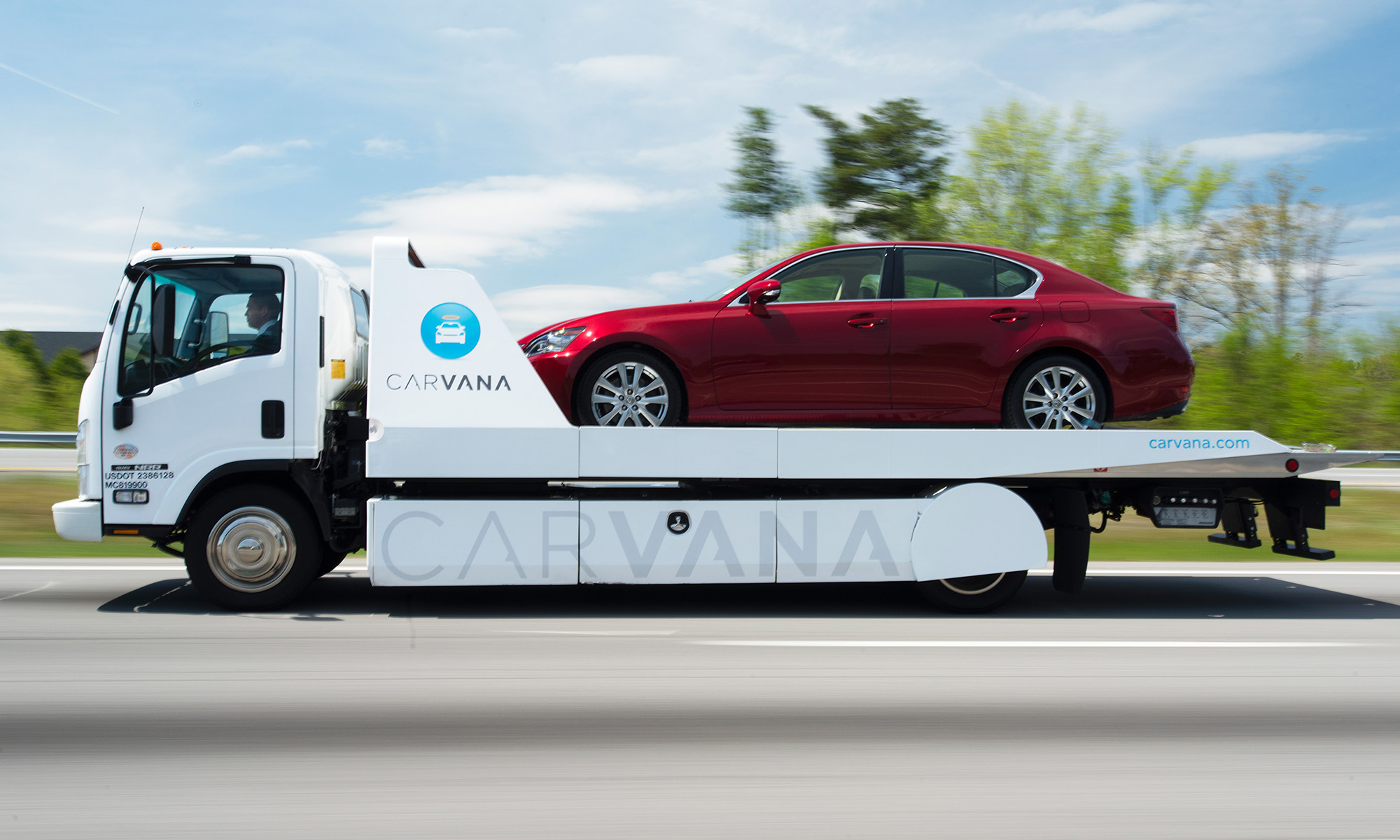
Image source: Carvana.
Carvana’s comeback that defied gravity
Give credit where it’s due. Carvana’s turnaround from near-bankruptcy in 2022 ($4.74 per share) to its recent highs above $486 is one of the most dramatic resurrections in market history.
I remember when people were calling this company a Ponzi scheme or a “one-hit pandemic wonder” and practically begging for executives to get fired. But look at Q3 2025: Suddenly, the numbers told a completely different story. The company posted record revenue of $5.65 billion — up 54.5% year over year — and delivered 156,000 vehicles. That’s undeniably impressive.
The bull case for Carvana rests on a simple idea: Used car demand is strong and growing. And for most of 2025, tariffs on new vehicles did funnel buyers toward the used market. But that tailwind is fading fast.
Used retail sales are expected to fall 0.7% in 2026 to 20.3 million units, as lower new car production, fewer lease returns, and weak electric vehicle (EV) demand tighten supply. Average used car prices hit $28,550 in January 2026, up $490 year over year, challenging affordability.
The bigger issue is financing: Used-car loan rates are running 10% to 12% APR versus 6% to 7% for new cars, with some automakers offering 2% to 4% promos. When a $28,000 used car at 11% costs nearly the same per month as a new car at 4%, the value gap shrinks, undercutting Carvana’s growth thesis.

Today’s Change
(-0.30%) $-1.03
Current Price
$343.11
Key Data Points
Market Cap
$48B
Day’s Range
$336.11 – $350.99
52wk Range
$148.25 – $486.89
Volume
202K
Avg Vol
4.2M
Gross Margin
20.52%
It might be best to stay on the sidelines
Carvana’s insider activity is flashing warning signs. CEO Ernest Garcia III has sold over $1.4 billion in shares since April 2024, including more than $500 million in August 2025 alone, with the CFO and chief operating officer also selling. While these sales fall under 10b5-1 plans, the scale is hard to ignore, especially given that the Garcia family controls 84% of voting power, raising agency risk concerns.
In January 2026, Gotham City Research accused Carvana of hiding $1 billion or more in expenses through related-party deals, sending the stock down roughly 20%. On top of this, its valuation remains stretched, leverage is heavy, and cash-flow trends are weakening.
Carvana’s turnaround story is genuinely impressive, but it shows signs of aging. Used car demand is softening. Financing costs are working against the company’s target customers. Insiders are selling at an extraordinary pace.
Unlike something like food delivery, buying a used car online hasn’t become a reflex. It’s a considered, high-dollar decision that gets harder when rates are 11%, and prices keep climbing. Carvana needs a growing pie to justify its valuation.
Right now, the pie is shrinking.